




What today’s fundraising trends mean for donor retention and long-term growth
The latest Fundraising Effectiveness Project (FEP) Q4 2025 Report reveals a growing challenge for nonprofits: fundraising revenue is rising, but donor participation continues to decline.
According to the report, charitable giving increased an estimated 5.0% in 2025—the sector’s strongest fundraising growth in five years. But donor counts declined an estimated 3.6% year over year, continuing a downward trend that began in 2021.
Much of that fundraising growth came from major donors, leaving many nonprofits increasingly dependent on fewer supporters giving larger gifts.
For nonprofit professionals, this moment represents an opportunity for strategic fundraising planning. Organizations that invest now in donor retention, donor stewardship, donor acquisition, and personalized engagement may be better positioned for long-term fundraising sustainability in 2026 and beyond.
This blog explores the report’s biggest fundraising trends and the donor retention strategies nonprofits can use to build stronger donor relationships in today’s evolving fundraising landscape.
What the FEP Q4 2025 Report reveals about fundraising today
The FEP report analyzed fundraising data from 15,102 nonprofit organizations representing 7.8 million donors and $13.2 billion in charitable contributions.
Some of the report’s most important findings include:

- Overall fundraising revenue increased 5.0%
- Donor counts declined 3.6%
- Donor retention improved slightly from 43.1% to 43.3%
- New donor retention remained mostly unchanged
- Major donors drove much of the sector’s fundraising growth
- Micro and small donor participation continued to decline
While philanthropic giving increased 5.0% for the year, growth through Q3 was estimated at 3.7%, making Q4 an exceptionally strong fundraising quarter that significantly boosted year-end results.
Did you know? Small improvements in donor retention can have a major long-term impact on fundraising sustainability.
The FEP Q4 2025 Report found that donor retention improved slightly overall, but nonprofits still struggle to convert first-time donors into repeat supporters. New donor retention remained essentially flat, reinforcing how important stewardship and donor engagement remain across the sector. Fundraising reporting and analytics tools can give nonprofits better visibility into retention trends, donor engagement patterns, and opportunities for long-term growth.
While higher-dollar gifts helped boost fundraising totals, the report raises an important concern: nonprofits may be becoming too reliant on a shrinking pool of donors.
That’s why donor acquisition and donor retention strategies remain foundational to sustainable fundraising.
Why donor retention remains one of fundraising’s biggest challenges
The FEP report notes that “converting a first gift into a second remains the most consequential unsolved problem in the donor pipeline.”
Many nonprofits work hard to attract new supporters through:
- GivingTuesday campaigns
- TogetherTuesday campaigns
- Fundraising events
- Social media
- Direct mail
- Online fundraising campaigns
- Peer-to-peer fundraising
Pro tip: Trusted personal networks can expand donor acquisition and introduce your mission to new audiences.
Peer-to-peer fundraising empowers nonprofits to reach new supporters through trusted personal networks, making it one of the most effective donor acquisition strategies available today. With Givecloud’s peer-to-peer fundraising tools—now part of DonorPerfect—supporters can easily create personal fundraising pages, share campaigns online, and drive donations directly into your nonprofit CRM for accurate tracking and stewardship.

But if those first-time donors never make a second gift, nonprofits can end up stuck in a constant cycle of replacing lost supporters.
Strong donor retention strategies position nonprofits to:
- Reduce donor churn
- Build more predictable revenue
- Increase donor lifetime value
- Grow recurring giving programs
- Create future major donor pipelines
- Strengthen long-term community engagement
According to DonorPerfect’s donor engagement resources, the strongest donor relationships are built through ongoing, personalized engagement rather than transactional fundraising alone. That’s especially important as donors increasingly expect personalized, connected experiences from the organizations they support.
While donor participation continued to decline in 2025, the report notes that the pace of those losses has slowed since 2022. Whether that trend represents a true recovery or simply a smaller donor pool remains to be seen, but it may signal a turning point for the sector heading into 2026.
What strong donor stewardship looks like in 2026
Many nonprofits already understand the importance of donor stewardship. The challenge is executing it consistently with limited time and staff resources.
An effective donor stewardship strategy often includes:
- Immediate gift acknowledgments
- Personalized thank-you messages
- Segmented email campaigns
- Recurring donor outreach
- Volunteer invitations
- Impact updates
- Follow-up reminders for staff
- Donor journey automation
Pro tip: Consistent stewardship matters most immediately after a donor’s first gift.
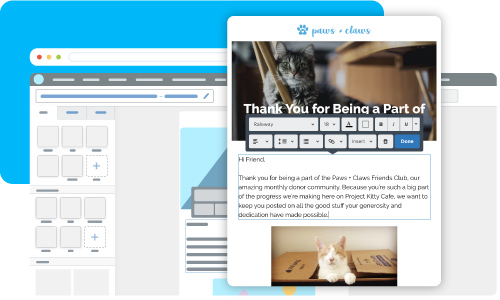
With a nonprofit CRM like DonorPerfect, nonprofits can automatically send thank-you emails, assign follow-up tasks, segment donor records, and trigger personalized welcome journeys that strengthen donor retention from day one.
The FEP Q4 2025 Report reinforces that nonprofits retain donors they already know but continue struggling to engage newly acquired supporters.
That means the first few weeks after a donor’s initial gift are critical for building a strong relationship with the donor.
Donor retention strategies for nonprofits
The fundraising trends highlighted in the FEP Q4 2025 Report point toward a clear takeaway: nonprofits need stronger systems for relationship-building.
Here are five practical ways organizations can strengthen donor retention and fundraising sustainability moving forward.
1. Improve first-time donor experiences
A donor’s first interaction with your nonprofit sets the tone for the entire relationship.
According to DonorPerfect’s donor journey framework, effective first-time donor experiences often include:
- Welcome email series
- Personalized thank-you messages
- Volunteer opportunities
- Impact storytelling
- Recurring giving invitations
- Segmented follow-up communications
Pro tip: Donor retention improves when supporters feel connected beyond a single fundraising appeal.
Automated donor journeys give nonprofits a structured way to move supporters from first gift to long-term engagement through personalized emails, follow-ups, volunteer invitations, and recurring giving opportunities.
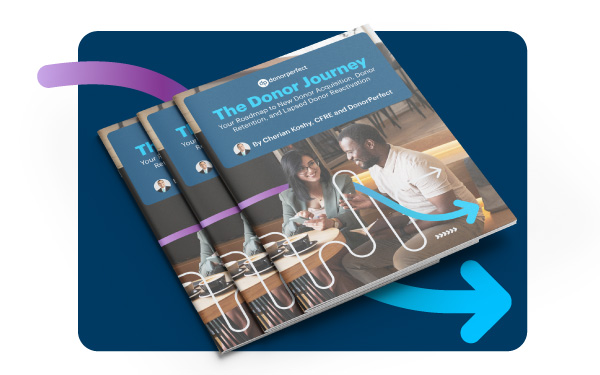
Creating thoughtful onboarding experiences can help nonprofits improve first-year donor conversion—one of the most important concerns highlighted in the FEP Q4 2025 Report.
2. Invest in recurring giving programs
Recurring donors create stable, predictable fundraising revenue for nonprofits of all sizes.
Monthly giving programs can also improve donor retention because supporters remain connected to your mission year-round instead of only during seasonal campaigns.
The FEP Q4 2025 Report suggests nonprofits should focus on building broader donor participation, and recurring giving programs are one effective way to strengthen long-term engagement.
Pro tip: Recurring giving programs help nonprofits create more stable, predictable fundraising revenue. Make monthly giving easy to find across the donor journey.
Recurring donors often give more consistently over time, making sustainer programs an important part of long-term fundraising growth. Adding recurring gift prompts to online donation forms and email campaigns helps normalize monthly giving as part of the donor experience.
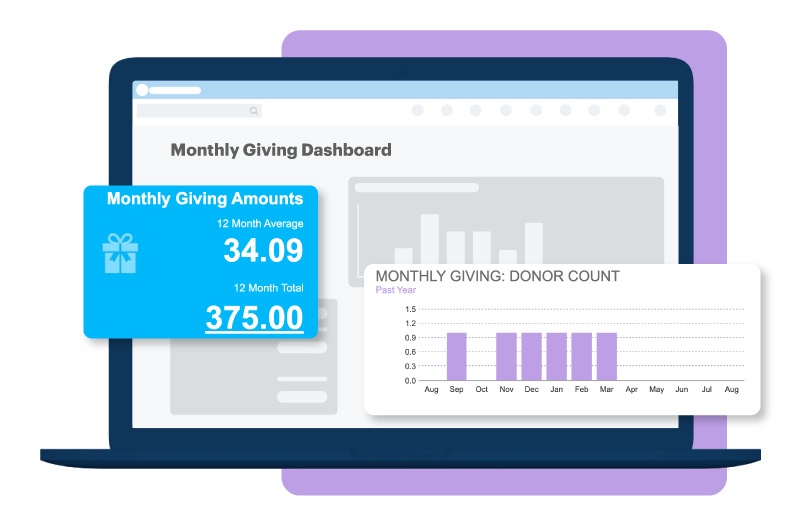
For nonprofit leaders looking to grow recurring revenue, visibility maWtters. Donors are more likely to enroll in monthly giving when the option is presented consistently across fundraising and stewardship touchpoints.
3. Use donor data to personalize communication
Donors expect nonprofits to communicate with relevance and purpose.
That’s why segmentation and donor data management have become essential fundraising tools.
With a nonprofit CRM like DonorPerfect, organizations can use donor data to create more relevant, personalized outreach based on:
- Giving history — Tailor outreach based on past donation amounts, frequency, and campaign participation
- Campaign participation — Personalize follow-up based on the appeals and initiatives donors already support
- Volunteer activity — Connect with supporters based on how they engage beyond financial giving
- Event attendance — Create more relevant communication tied to donor interests and involvement
- Communication preferences — Deliver messages through the channels donors are most likely to engage with
- Recurring giving status — Strengthen stewardship for monthly donors and identify upgrade opportunities
- Donor interests — Align impact stories, campaigns, and appeals with the causes supporters care about most
Segmentation gives fundraising teams clearer insight into donor behavior, making it easier to create more targeted campaigns, stewardship plans, and fundraising strategies.
DonorPerfect has really helped us segment our donors and prospects, so that we can provide better targeted communications and solicitations to them. It has been a significant factor in increasing our revenue by almost 20% over the last five years. It has also made a number of gift processing tasks simpler, saving valuable staff time.
– Soula D., Database and Donor Relations Officer
4. Prioritize clean fundraising data
Fundraising insights are only as reliable as the data behind them.
Without clean donor records, nonprofits may struggle to:
- Identify lapsed donors
- Track donor retention
- Measure campaign effectiveness
- Personalize outreach
- Identify donor upgrade opportunities
- Maintain accurate fundraising reports
For nonprofit leaders, clean donor data creates a stronger foundation for fundraising strategy, reporting, stewardship, and team accountability.
Pro tip: Strong donor retention strategies start with accurate, organized donor data.
When fundraising teams can accurately track donor activity, engagement history, and campaign participation through strong donor data reporting, they can create more relevant outreach and stronger stewardship experiences.
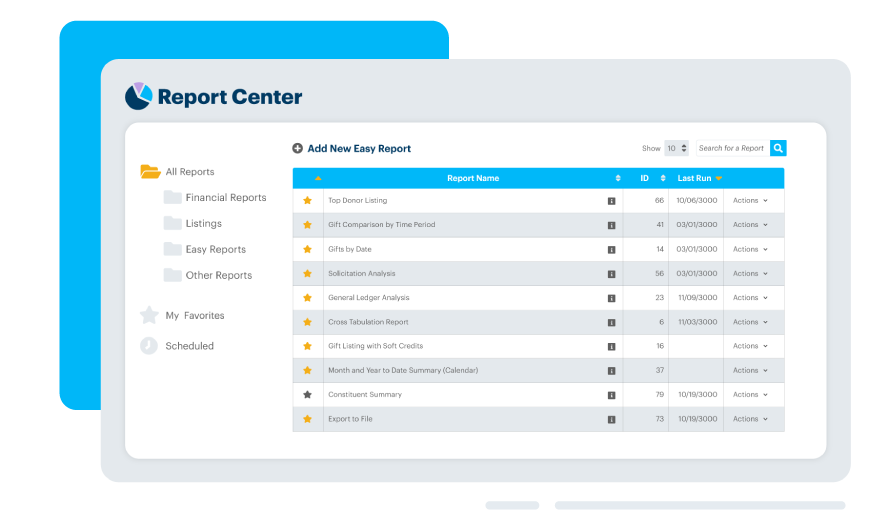
As donor participation continues to decline, the FEP report underscores the need for nonprofits to better understand donor behavior, where donors disengage, and what motivates them to stay involved. That level of insight starts with accurate, well-maintained donor data.
5. Strengthen donor engagement beyond gift size
One of the biggest takeaways from the FEP Q4 2025 Report is that fundraising sustainability depends on more than large gifts alone.
Organizations that focus exclusively on high-dollar fundraising may miss opportunities to build broader donor communities.
DonorPerfect’s donor engagement models encourage nonprofits to measure engagement holistically through:
- Volunteering
- Event attendance
- Advocacy
- Email engagement
- Peer-to-peer fundraising
- Recurring giving
- Social sharing
Did you know? Donor engagement scores and donor journey reporting can help nonprofits identify supporters who are ready for deeper involvement, recurring giving, or major donor cultivation, even before gift size alone reflects it.
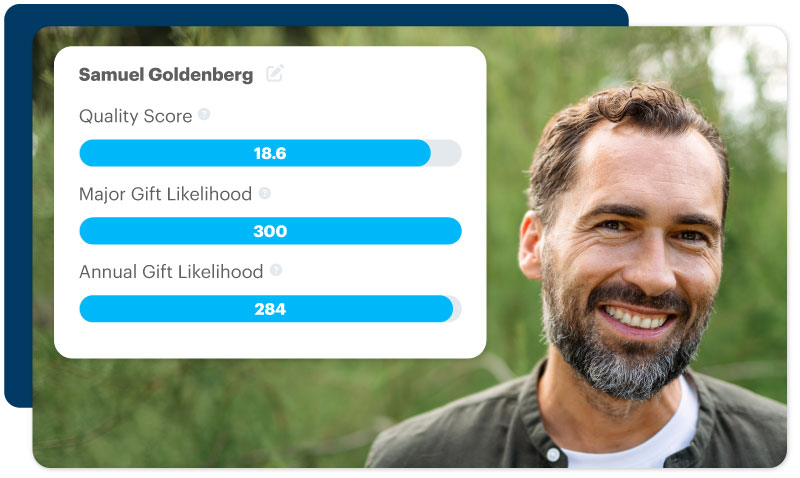
DonorPerfect’s Donor Score gives fundraisers the insight they need to turn giving history and engagement details into informed next steps with supporters.
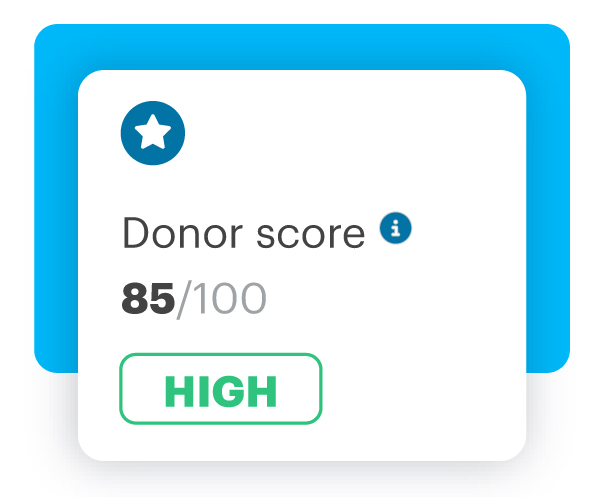
Building stronger donor relationships across multiple engagement points may help nonprofits reduce overreliance on a shrinking group of major donors.
Why donor retention depends on the right nonprofit CRM
The FEP Q4 2025 Report highlights how difficult it has become for nonprofits to grow donor participation consistently.
That’s why many organizations are investing in integrated nonprofit CRM systems that centralize fundraising, stewardship, reporting, and donor engagement.
A nonprofit CRM like DonorPerfect empowers organizations to:
- Track donor retention
- Automate stewardship
- Create donor segments
- Monitor campaign performance
- Manage recurring giving
- Build personalized donor journeys
- Analyze fundraising trends
- Identify donor upgrade opportunities
Instead of juggling donor records across multiple tools and systems, nonprofits can use donor data more strategically while streamlining staff workflows.
For busy nonprofit professionals like development directors and executive directors, automation and reporting tools can help simplify fundraising workflows while strengthening donor relationships.
Pro tip: Automation gives nonprofits more consistency across donor stewardship and follow-up.
With DonorPerfect’s automation tools, nonprofits can trigger personalized emails, assign follow-up tasks, send reminders, and streamline donor outreach workflows, helping teams save time while creating more consistent donor experiences.
The FEP Q4 2025 Report offers an important reminder for nonprofit organizations: fundraising growth alone does not guarantee long-term sustainability.
Yes, charitable giving increased in 2025. But much of that growth came from larger gifts rather than broader donor engagement, which continued to decline.
Organizations best positioned for sustainable fundraising growth may now be investing in:
- Donor retention
- Personalized stewardship
- Recurring giving
- Donor journeys
- Segmentation
- Data quality
- Relationship-building
By strengthening donor engagement at every stage of the donor journey, nonprofits can build more resilient fundraising programs that support long-term mission impact.
Build stronger donor relationships with tools designed to improve donor retention, automate stewardship, track fundraising performance, and grow recurring giving.
Explore DonorPerfect’s nonprofit CRM and fundraising tools today.
Frequently Asked Questions
1. What is the FEP Q4 2025 Report?
2. Why are donor counts declining even though fundraising revenue increased?
3. Why is donor retention important for nonprofits?
4. How can nonprofits improve first-year donor retention?
5. How does a nonprofit CRM improve donor retention?
Get started with DonorPerfect
Reach more supporters with an all-in-one nonprofit CRM.