





Tax season has donors actively thinking about their future finances, giving, and impact. With changes to charitable tax incentives beginning in 2026, this moment creates a valuable opportunity to start more strategic, forward-looking conversations.
One of the simplest ways to do that? A strong donor segmentation strategy. In this guide, you’ll learn five key donor groups to prioritize—and how to start more relevant conversations with each as you plan for the year ahead.
Your nonprofit CRM is your strongest asset to:
- Strengthen relationships with major and recurring donors
- Welcome new supporters into your community
- Inspire tax-deductible donations across all segments
Download your free guide to charitable tax changes in 2026 →
Why donor segmentation matters right now
Tax season is one of the few times donors are already thinking about:
- Charitable giving and impact
- Financial planning and strategy
- How their decisions today affect the future
That makes it a natural starting point for conversations about what’s next. With changes expected in 2026 that affect how charitable deductions work, thoughtful communication matters more than ever.
Segmented outreach helps you:
- Meet donors where they are
- Share more relevant, personalized information
- Build trust as a long-term partner in their giving decisions
If your team is short on time, even focusing on one or two key segments can make a meaningful difference.
Need a simple way to keep your messaging straight?
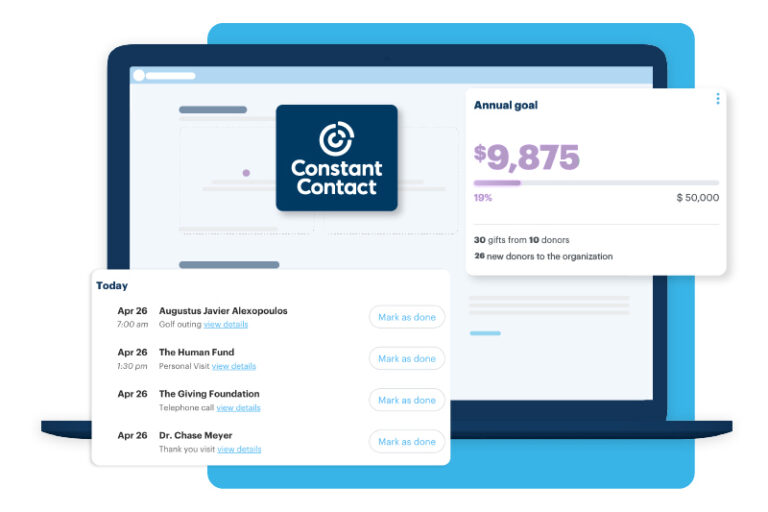
When speaking with donors about their giving, the importance of an all-in-one nonprofit CRM cannot be understated. DonorPerfect includes Constant Contact to ensure donor data and segmented lists are synced and ready for accurate, personalized conversations.
Donor segments to prioritize as giving strategies evolve
1. Small and mid-level donors
Many donors don’t itemize deductions and may not fully understand how tax changes could affect their giving. As tax incentives shift, some donors may rethink how they give. This is a good time to reinforce consistent giving habits and build connections beyond tax benefits.
How to start the conversation:
- Send a simple check-in about their giving goals
- Reinforce the impact of their support
- Introduce that giving strategies may evolve in the coming years
2. High-income and major donors
These donors are more likely to be thinking strategically about their giving and how it aligns with their broader financial plans. Position this as an ongoing planning conversation rather than a time-sensitive decision.
How to start the conversation:
- Reach out personally
- Ask how they’re thinking about their giving strategy moving forward
- Offer to reconnect in the coming months to discuss planning opportunities
3. Donor-advised fund donors
These donors are already using structured giving strategies and may be especially interested in how future changes could affect their approach.
How to start the conversation:
- Thank them for their continued support
- Check in about their long-term giving goals
- Introduce that strategies may evolve as new rules take effect
What to say: “Donor-advised funds continue to be a flexible option for giving. As we look ahead, it may be helpful to revisit how they fit into your long-term plans.”
4. Loyal, long-term donors
Tax season often prompts reflection on long-term impact, legacy, and sustained support. This is an opportunity to begin conversations about long-term planning without making an immediate ask.
How to start the conversation:
- Identify donors with long giving histories
- Share a message focused on their cumulative impact
- Introduce future-focused giving opportunities or resources
5. Corporate and business donors
Businesses are also evaluating their giving strategies and partnerships for the year ahead.
How to start the conversation:
- Check in with current partners
- Ask about their priorities for the coming year
- Reinforce the value and impact of your partnership
How your CRM can support smarter donor segmentation
As you begin having more forward-looking conversations with donors, having a clear system in place becomes essential.
With the right nonprofit CRM, you can:
- Identify key donor segments quickly
- Track giving history and engagement patterns
- Record conversation notes and next steps
- Plan and schedule follow-ups over time
Using your nonprofit CRM to segment donors helps you focus your time on the conversations that matter most and ensures nothing falls through the cracks.
3 donor segmentation moves to start now
1. Build a priority segmentation list
This gives you a focused starting point for more meaningful outreach.
Use your nonprofit CRM to identify:
- Donor-advised fund supporters
- Major donors
- Recurring and loyal donors
- Donors with lapsed or inconsistent giving
2. Tailor one message for each segment
Even small adjustments can significantly improve engagement.
Adjust your outreach slightly for each group:
- Focus on impact for small donors
- Emphasize planning and strategy for major donors
- Highlight flexibility and long-term planning for structured giving donors
3. Use tax season as a conversation starter
You don’t need to wait for the “perfect” moment. Track these conversations in your CRM so you can follow up and build on them over time.
What to say: “Now that tax season is top of mind, it could be a great time to talk about how your giving strategy might evolve in the future.”
Turn tax season into a relationship-building opportunity
Tax season can feel transactional, but it’s also a chance to connect with donors in a more meaningful way.
When you use donor segmentation effectively, you:
- Show donors you understand their situation
- Provide timely, relevant guidance
- Build stronger relationships over time
You don’t need to explain every detail of tax law. Encouraging donors to consult a financial advisor for specific guidance helps keep conversations appropriate while still offering valuable support. The goal is to start building the foundation for smarter donor engagement in the months ahead.
When you segment donors thoughtfully now, you’ll be better prepared to guide them through changing giving strategies and support their long-term goals.
Get your free guide to navigating charitable tax changes in 2026
Download your free copy today!