






What works, what doesn’t, and how to turn engagement into donations
Social media should be a core part of how nonprofits find new supporters, engage current donors, and build trust. When used intentionally, nonprofit social media can help supporters discover your mission, see your impact in action, and share your cause with their own networks.
But while likes, shares, and comments matter, they don’t automatically translate into donations. Nonprofit social media excels at sparking interest and engagement but can be less reliable when it comes to closing gifts.
That’s why the most successful organizations treat nonprofit social media as a bridge, not the final destination. The goal is to introduce your mission, build credibility, and guide supporters toward clear next steps that lead to long-term engagement.
Use nonprofit social media to start relationships, then deepen them elsewhere
Social media is often the first place people encounter a nonprofit. They may follow casually or scroll quickly, making social an excellent place to introduce your mission but not always the most dependable place to build lasting relationships.
To get more value from nonprofit social media, use it as a starting point. Then invite supporters to stay connected in ways you can rely on, such as joining your email list or opting into updates, so you’re not dependent on a single platform to reach people who care about your work.
Learn how to use nonprofit social media as a starting point for stronger, longer-term relationships in Cut Through the Noise: Reaching Supporters When and Where It Matters Most. This webinar explores how social media, email, and other channels can work together to support fundraising without adding more work.
Best practices for nonprofit social media
Strong nonprofit social media comes from making thoughtful choices about where you show up, what you share, and how you invite people to engage.
1. Start small and stay consistent
You don’t need to be everywhere. Choose one or two platforms you can realistically manage. If your audience is primarily local and community-based, Facebook may be your strongest starting point. If you rely on visual storytelling, Instagram and YouTube may be a better fit. If you work with corporate partners, major donors, or professional networks, LinkedIn can help you build credibility. Pick one platform, commit to a steady posting cadence, and build consistency before expanding. It will outperform sporadic bursts of activity every time.
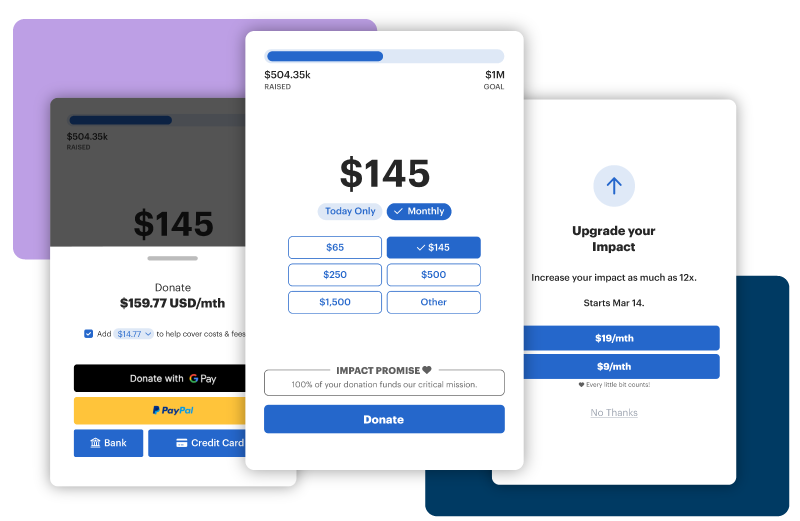
From DonorPerfect, you can share your donation form directly to Facebook, Twitter, or LinkedIn. Each post includes the form’s title image, the form name, and a link to the form, making it easy for supporters to take action.
2. Make your profile instantly clear
Someone seeing your social profile should understand what your nonprofit does within seconds.
Make sure each profile includes:
- A clear mission-focused description
- Branded imagery (photos, graphics, and videos)
- Direct links to your website and donation page
This clarity builds trust and helps new supporters quickly understand how to get involved.
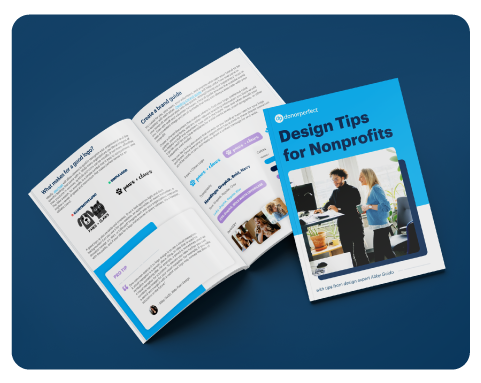
With thoughtful design and consistent branding, your organization can stand out among thousands of others. Learn how with Design Tips for Nonprofits.
3. Use available tools thoughtfully
Facebook (and other Meta platforms) offers donation tools for nonprofits, including donate buttons on Pages, posts, and fundraisers. These tools are easy to incorporate, but they work best when used strategically.
Pros:
- Low barrier to entry with no setup cost
- Helpful for peer-to-peer visibility when supporters share your work
- Convenient for casual supporters already scrolling
Cons:
- Limited control over branding, custom questions, and follow-up
- Extra steps and disclaimers that can reduce conversions
- Dependence on platform rules and algorithms
There’s no harm in enabling donate buttons, but for most nonprofits, they’re most effective as a supplement, not a primary fundraising strategy.
4. Show up as human
Your nonprofit social media presence should reflect the real people behind your mission. Authentic storytelling—highlighting staff, volunteers, beneficiaries, and supporters—builds trust far more effectively than polished promotional language.
Storytelling is one of the most effective ways to build trust and inspire action. In this on-demand webinar, fundraising expert Joan Garry shares practical guidance for telling concise, compelling stories that help supporters understand why your work matters and how they can be part of it.
5. Create content without starting from scratch
Generating fresh social content doesn’t have to feel daunting.
Repurpose what you already have:
- Email appeals
- Blog posts
- Event updates
- Impact stories
One strong piece can become multiple social posts across channels.
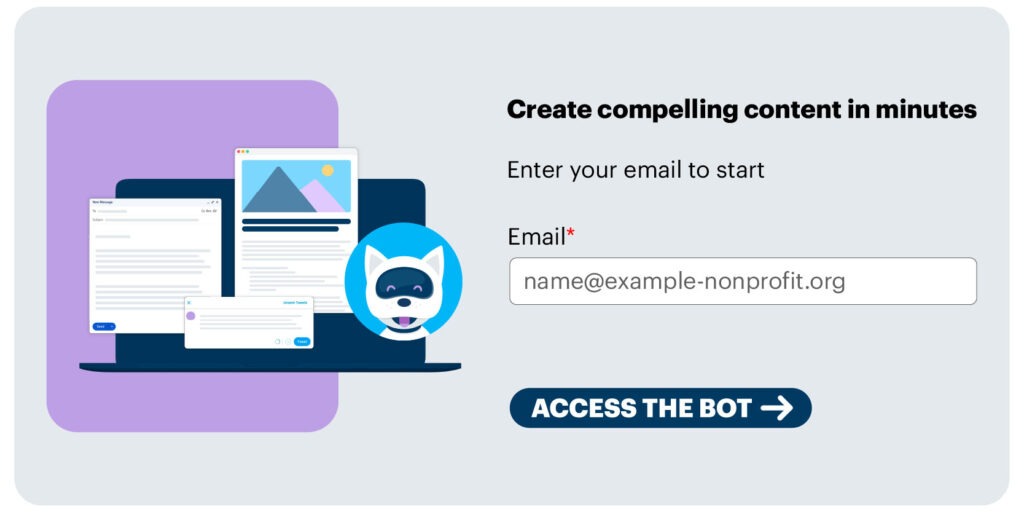
The DonorPerfect Fundraising Assistant can help turn existing content into social posts or help you draft new ones so you’re not starting from a blank page.
6. Plan and schedule ahead
Nonprofit social media becomes far more manageable when it’s planned ahead of time. Set aside a few focused hours each week to write posts and select images and videos. Creating multiple posts at once helps keep your messaging aligned and consistent.
Many platforms and connected tools allow you to schedule posts ahead of time. Pair scheduled content with reusable, campaign-specific donation links so you’re not posting manually each time.
Pro tip: Take care of the fundraiser behind the posts. Social media can feel like one more thing on an already full plate. If you’re juggling fundraising, communications, and donor relationships, you’re not alone.
Take a moment to remind yourself that your work matters, even when results take time.
7. Let visuals do the heavy lifting
Photos and videos are often what stop someone from scrolling.
Focus on:
- People and outcomes
- Testimonials and behind-the-scenes moments
- Short, authentic video clips
You don’t need professional production equipment. A smartphone and a clear story are often enough. Just be sure to get appropriate permissions.
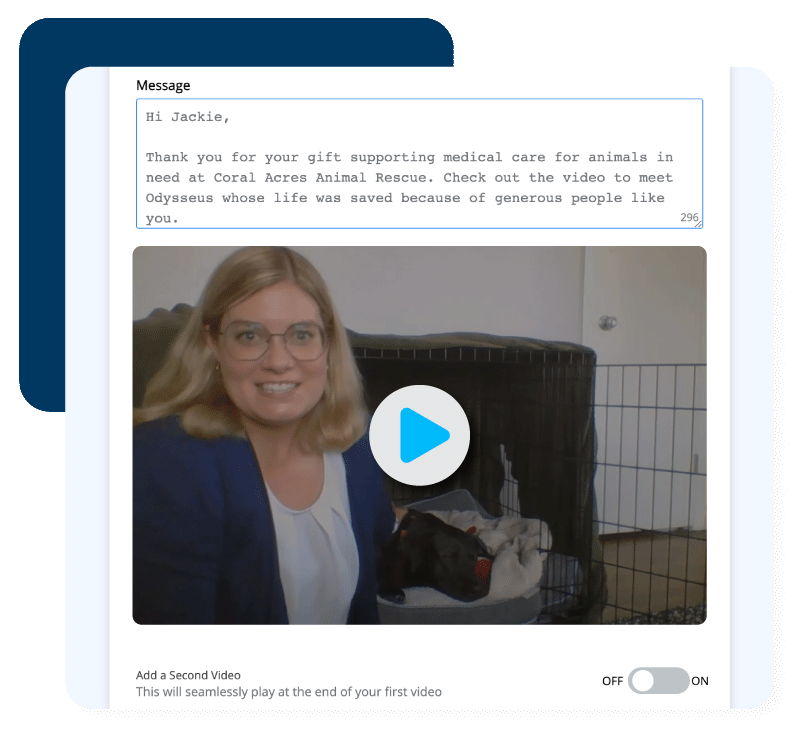
Once a supporter joins your email list, continue the conversation with a personal video. Tools like DP Video help nonprofits send video messages right from their fundraising CRM, whether to say thank you, invite them to an event, or share an update.
8. Include clear next steps
Every social post should point to a specific action.
Let supporters know what to do next:
- Donate
- Register
- Volunteer
- Start a fundraiser
Clear calls to action reduce friction and make it easier for supporters to move from interest to involvement.
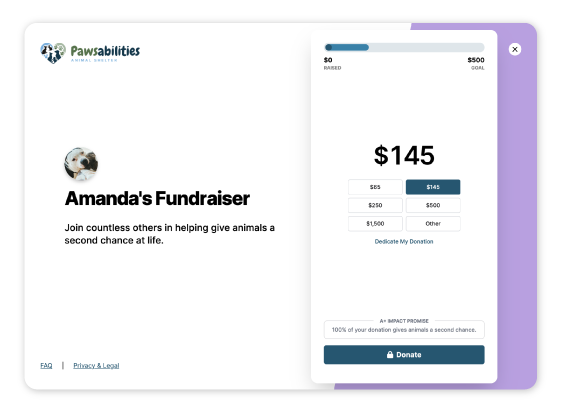
Give supporters a shareable way to help. Sometimes the best next step is to join in. For example, DonorPerfect Crowdfunding campaigns give supporters a clear, simple way to take action and invite others to participate, whether they’re raising money for a specific project, a campaign deadline, or an event goal.
9. Actively engage with supporters
Treat nonprofit social media like a conversation rather than a broadcast. Respond to comments, thank supporters publicly, and encourage dialogue.
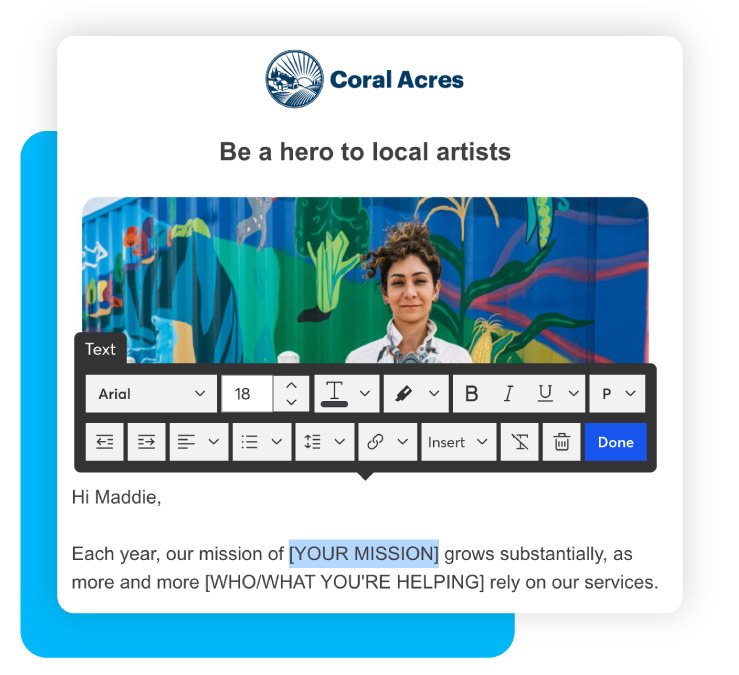
For example, using DonorPerfect with Constant Contact helps you connect your social media outreach with email communication so you can follow up with supporters and deepen relationships beyond a single post.
10. Balance asks with impact
If every post is a donation request, supporters may disengage. Use social posts to close the loop with supporters. Share what a recent gift made possible, highlight milestones reached, or thank donors publicly. Demonstrating impact builds confidence and makes future asks feel more meaningful.
Pro tip: Educate before you ask. Social media is a great place to educate supporters about giving options like donor-advised funds. A simple series of posts can explain how DAFs work, highlight their benefits, and invite donors to consider recommending a gift when the time is right.
Learn more in our free guide to donor-advised funds.

11. Invite participation
Sometimes people just need an invitation. Encourage supporters, staff, volunteers, and board members to share posts, tag themselves at events, and comment. These small actions help your message travel farther and make supporters feel like they’re truly part of something.
Not every supporter is ready to donate right away, but many are willing to take a simple step that builds awareness and strengthens community.
Pro tip: Offer low-effort ways to participate. Try adding participation prompts like:
- Share this with someone who cares about this issue.
- Tag a friend who would want to volunteer.
- Comment with a message of encouragement for our team!
- Vote in the comments: Which project should we highlight next?
Use a few thoughtful hashtags to help new supporters find you. Stick to a mix of broad hashtags (like #nonprofit or #giveback) and cause-specific ones (like #animalrescue or #literacy). Three to five strong hashtags is usually enough.
12. Measure what matters
Track a small set of metrics that help you understand whether nonprofit social media is supporting your goals.
Try starting with:
- Website traffic from social media
- Email sign-ups
- Donation form activity
Duplicating a donation form and assigning different codes allows you to see which outreach channels—such as social posts, emails, or website placements—are generating donations. Each link leads to the same donor-friendly experience while giving you clearer insight into what’s working.
Ready to turn your social media engagement into new donors?
When content, scheduling, and donor management work together, nonprofit social media becomes manageable and meaningful. Instead of chasing trends or posting last-minute appeals, you can build a repeatable system that consistently brings new supporters into your community.
Social media works best when it supports the full donor journey: sparking interest, building trust, driving action, and strengthening relationships over time.
If you’re ready to move from posting when you can to building a plan for attracting and converting new supporters, download Your Guided Growth Plan below. This free resource shows you how nonprofit social media fits into a broader donor acquisition strategy, helping you turn casual supporters into long-term donors.
Download Your Guided Growth Plan
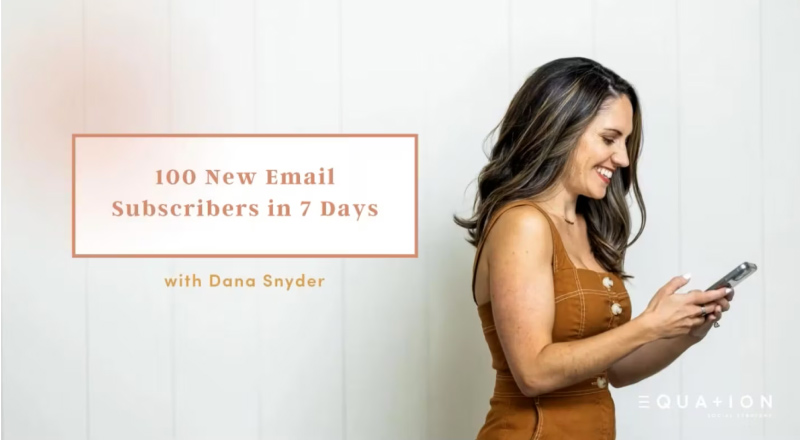
With nonprofit social media and marketing expert Dana Snyder


Follow us on social!