




Practical ways to protect revenue, engage donors, and build long-term financial stability
For many organizations, nonprofit fundraising has become less predictable. Economic uncertainty, changing donor expectations, and increased competition for support are making it harder to maintain consistent revenue. Protecting your fundraising program requires strategies that strengthen donor relationships, diversify income, and prepare your organization for whatever comes next.
When uncertainty increases, it’s tempting to focus on acquiring new donors or launching new fundraising campaigns. But some of the most effective ways to protect nonprofit revenue begin with strengthening the relationships, fundraising practices, and systems your organization already has in place.
Organizations that invest in donor retention, diversify their fundraising efforts, and monitor performance are better positioned to navigate change while continuing to advance their mission.
In this blog, we’ll explore practical strategies to help your organization protect revenue, strengthen donor engagement, and build a stronger fundraising strategy for long-term success.
Why protecting revenue starts with donor retention
It’s easy to focus on acquiring new donors when fundraising goals become more ambitious. New supporters bring fresh opportunities, expand your reach, and help grow your mission. But replacing donors is more expensive—and less predictable—than keeping the ones you already have.
Donor retention is one of the strongest indicators of long-term fundraising health. Every retained donor creates opportunities for stronger engagement, monthly giving, future major gifts, and long-term advocacy.
Organizations that prioritize donor stewardship, personalized donor communications, and meaningful engagement create more resilient fundraising programs because they’re investing in relationships rather than transactions.
Want to improve donor retention?
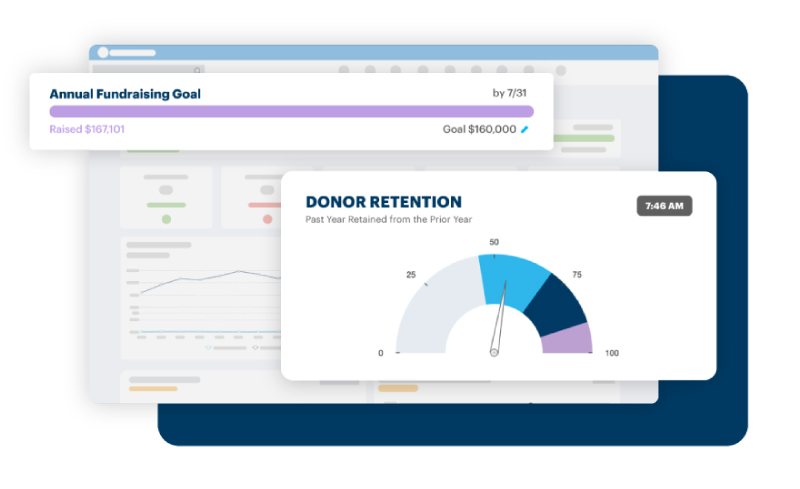
Use your donor data to identify giving trends, recognize supporters who may be at risk of lapsing, and personalize outreach before relationships begin to fade.
Learn how DonorPerfect helps nonprofits strengthen donor retention >>
Diversify your fundraising strategy with multiple revenue streams
Revenue becomes more resilient when it comes from multiple sources. Relying too heavily on one campaign, funding source, or donor segment can leave organizations vulnerable when circumstances change. Building a balanced fundraising portfolio helps reduce that risk.
A balanced fundraising strategy might include:
- One-time or annual gifts — Build a broad base of supporters who provide ongoing annual revenue
- Monthly giving — Create predictable, reliable income that supports cash flow each month
- Major gifts — Generate support from donors with the capacity to make significant investments in programs
- Grants — Pursue funding from private foundations, corporations, and public agencies to support specific programs or initiatives
- Corporate partnerships — Expand financial support while building relationships with businesses in your community
- Peer-to-peer fundraising — Reach new audiences by empowering supporters to fundraise on your behalf
- Nonprofit events — Strengthen donor engagement while generating revenue and increasing visibility through fundraising communications
Rather than launching every fundraising initiative possible, focus on building complementary sources of support that align with your organization’s mission, capacity, and long-term goals.
As your fundraising program grows, regularly review how revenue is distributed across your funding sources. If losing a single grant, an annual event, a major gift, or a corporate partner would significantly affect your budget, your fundraising strategy may be carrying more risk than you realize.
Reducing that concentration gradually strengthens financial stability and gives your organization greater flexibility when fundraising conditions change.
Ready to diversify your revenue?
A resilient fundraising program starts with a balanced mix of revenue streams. Discover 43 funding sources that can help your organization reduce risk and strengthen long-term financial stability.
Read: 43 Ways to Diversify Your Nonprofit Funding Sources >>

Use fundraising data to identify risks
Fundraising data can reveal emerging risks long before they’re reflected in your fiscal year-end results. Regularly reviewing performance helps organizations identify changing donor behavior and respond before revenue begins to decline.
These insights can help your team answer important questions:
- Are donor retention rates changing?
- Which campaigns generate the strongest long-term supporters?
- Are monthly gifts growing or declining?
- Which donor segments may need additional stewardship?
- Where are opportunities to re-engage lapsed supporters?
Understanding these trends also helps teams strengthen fundraising communications, personalize donor outreach, and take action before small issues become larger fundraising challenges.
Looking for a clearer picture of your fundraising performance?
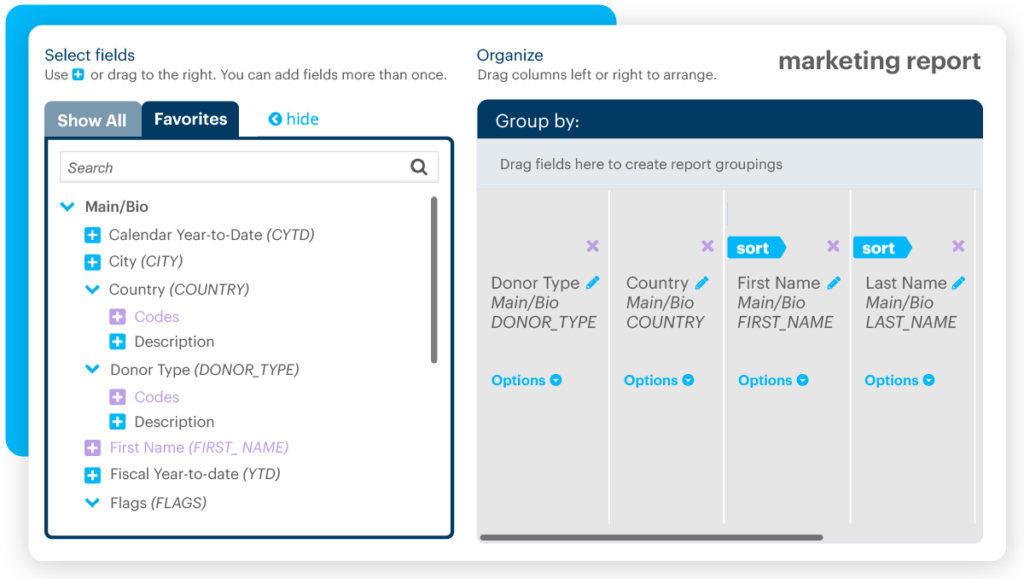
Custom reports and dashboards in DonorPerfect allow your team to monitor giving trends, compare campaign performance, and identify opportunities to strengthen your fundraising strategy.
Build a fundraising strategy for long-term success
Building fundraising resilience requires consistent attention throughout the year. Leaders need visibility into donor retention, monthly giving, revenue concentration, and fundraising performance to understand where risks are emerging and where opportunities exist.
These insights give organizational leaders greater confidence when making decisions about staffing, programs, and future investments.
Regular reviews with development staff, executive leadership, and the board help organizations evaluate performance, adjust priorities, and respond to changing conditions with confidence.
Continue building a more sustainable fundraising strategy.
Protecting nonprofit revenue is just one piece of long-term fundraising success.
Download our free e-book, How to Build a More Sustainable Fundraising Strategy, to explore five practical strategies for improving donor retention, increasing organizational capacity, reducing operational complexity, and making more informed fundraising decisions.

Building fundraising resilience is an ongoing effort. As nonprofit leaders and fundraising teams balance multichannel fundraising, donor stewardship, and day-to-day operations, a strong fundraising strategy helps bring every effort together. When your team has the insights to make better decisions and the tools to build meaningful donor relationships, your organization is better prepared to adapt, strengthen its fundraising program, and sustain its mission for the long term.
Download your free e-book
Explore more strategies to thrive in difficult times