

Use donor segmentation to engage new donors with relevant stewardship across every channel
A first gift tells you something important about a donor—but it doesn’t tell you everything.
Too often, nonprofits place every new supporter into the same communication stream. Whether someone gave after attending an event, volunteered before donating, responded to an emergency appeal, or joined your monthly giving program, they receive the same thank-you email and the same follow-up messages.
That approach is easy to manage, but it overlooks the different ways people connect with your mission.
First-time donors support nonprofits for many different reasons. Some have volunteered for years before giving, while others discover an organization for the first time through an event, campaign, or personal recommendation.
Instead of asking: “How do we welcome all new donors?“
Consider a different question: “How should we welcome this donor?“
When you begin with donor segmentation, every communication becomes more relevant—from your first thank-you email to future fundraising appeals.
In this article, we’ll use first-time donors as an example to explore practical ways to segment supporters and develop stronger welcome experiences across email, direct mail, phone calls, text messages, and other communication channels.
Improve donor engagement with better donor segmentation
Every first-time donor deserves a warm welcome, but not necessarily the same one.
The reasons people make their first gift vary widely. Some already know your organization through volunteering or attending events. Others discover your mission through social media, peer-to-peer fundraising, or a single campaign that inspires them to give.
Those differences provide valuable context for your stewardship strategy. Instead of placing every new donor into the same communication stream, you can organize supporters into a few groups and tailor your follow-up based on how they first connected with your mission.
Put your donor data to work.
Learn six ways AI and fundraising automation can help you identify useful donor segments and put your data to work in your engagement strategy.

6 practical donor segmentation strategies
You don’t need dozens of donor segments to improve your stewardship. Start with the information you already collect and expand gradually. Look at what you know about your first-time donors, how they first connected with your organization, how they gave, and what they chose to support.
Event attendees
Someone who first connected with your organization through a nonprofit event, such as a gala, walk, or community fundraiser, already has an established connection to your organization.
Follow up with event photos, highlights, and stories that remind them why they attended before introducing additional ways to stay involved.
Volunteers who become donors
Nonprofit volunteers understand your mission in ways that other first-time donors don’t.
Rather than explaining who you are, focus on thanking them for expanding their commitment and show how their time and financial support work together to advance your mission.
Peer-to-peer donors
These supporters give because of a friend or family member participating in a campaign.
Help them transition from supporting someone they know to supporting your mission directly by sharing impact stories and inviting them to join your broader community.
Reach new donors through peer-to-peer fundraising.
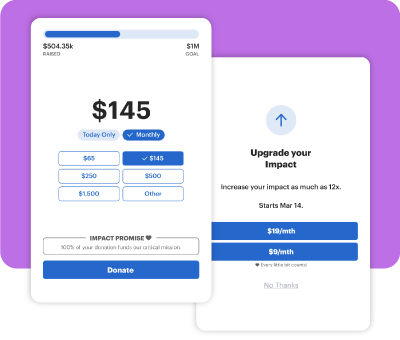
Givecloud’s peer-to-peer fundraising tools empower supporters to fundraise within their own networks, helping you introduce new donors to your mission and continue the relationship after their first gift.
Explore peer-to-peer fundraising with DonorPerfect’s Givecloud >>
Online donors
Online donors may know very little about your organization beyond the campaign or story that inspired their gift.
A welcome email series can gradually introduce your programs, staff, beneficiaries, and impact while encouraging them to explore your website and learn more. With Constant Contact built into DonorPerfect, you can automate a series of timed welcome emails to help new donors stay connected after their first gift.
Monthly donors
Monthly donors have already demonstrated a deeper level of commitment.
Some first-time donors choose to make a monthly gift from the start. Instead of sending the same welcome messages as one-time donors, introduce them to the long-term impact of sustained giving and recognize the important role they’ll play throughout the year.
Program-specific donors
If a first-time donor gives to a scholarship fund, emergency assistance program, food distribution program, or another designated area of your work, continue sharing stories and updates from that program before introducing other areas of your mission.
Relevant communications help donors stay connected because they continue the conversation that inspired the first gift.
Turn donor data into stronger relationships.
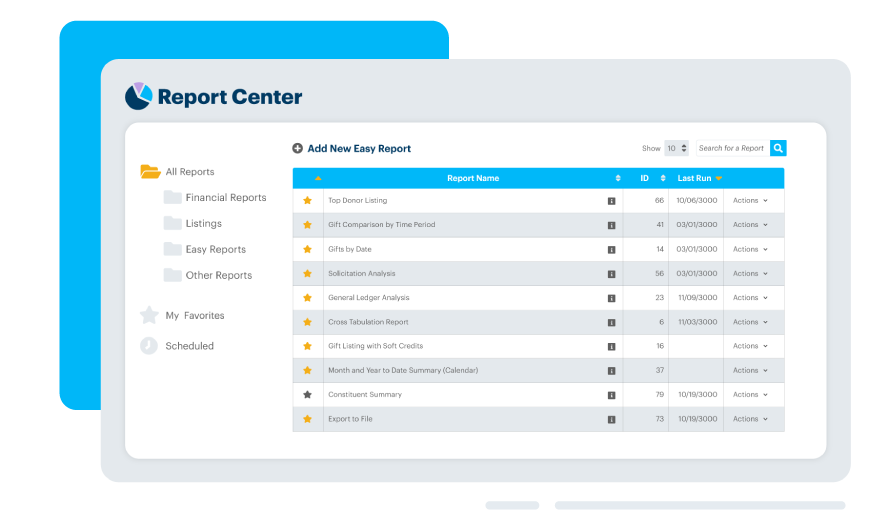
Use reporting and segmentation tools to identify donor groups, personalize communications, and track engagement.
Match your donor engagement strategy to each donor segment
Your communication strategy should reflect each donor’s relationship with your organization. Email may be the first touchpoint, but additional channels like direct mail, phone calls, volunteer opportunities, and events help build stronger connections over time.
The table below shares some examples:
| Donor segment | Best early touchpoints |
| Event attendee | Thank-you email, event photos, volunteer invitation |
| Volunteer | Personal phone call, impact story, donor recognition |
| Online donor | Welcome email series, educational content |
| Monthly donor | Monthly giving updates, exclusive impact reports |
| Peer-to-peer donor | Community stories, social engagement |
| Program donor | Program-specific updates and outcomes |
Notice that email is only one piece of the picture. A handwritten note, text message, volunteer invitation, or phone call may be more impactful for certain donor groups than another email in their inbox.
When your communications work together across multiple channels, supporters experience a more consistent and personal relationship with your organization.
See your audience segments more clearly in your donor management system.
The right nonprofit CRM helps you organize supporters by giving history, campaign, interests, and engagement so you can tailor your outreach from the very first gift.
Expand your welcome email into a multichannel experience
Many nonprofits already send a welcome email after a first gift. Expanding that single message into a coordinated welcome experience gives supporters more opportunities to learn about your mission and stay involved.
For example:
Week 1
- Automatic donation receipt
- Personalized thank-you email or handwritten thank-you note
Week 2
- Mission story
- Staff introduction
- Social media engagement or invitation
Week 3
- Volunteer opportunity
- Event invitation
- Program update
Week 4
- Impact story
- Monthly giving invitation for interested donors
- Survey or meeting asking what inspired their gift

Not every donor needs every touchpoint. Segmentation helps you decide which communications belong in each donor’s journey.
Automate your new donor follow-up.
Send timely emails and follow-up communications automatically based on donor actions, helping every new supporter receive a consistent welcome.
Use your fundraising CRM to support donor segmentation
Tailored outreach doesn’t require writing individual emails for every donor.
Modern nonprofit CRMs make it easier to organize supporters by shared interests, giving behavior, engagement history, and communication preferences.
That means your organization can automatically:
- Assign donors to welcome sequences
- Send different email series based on donor interests
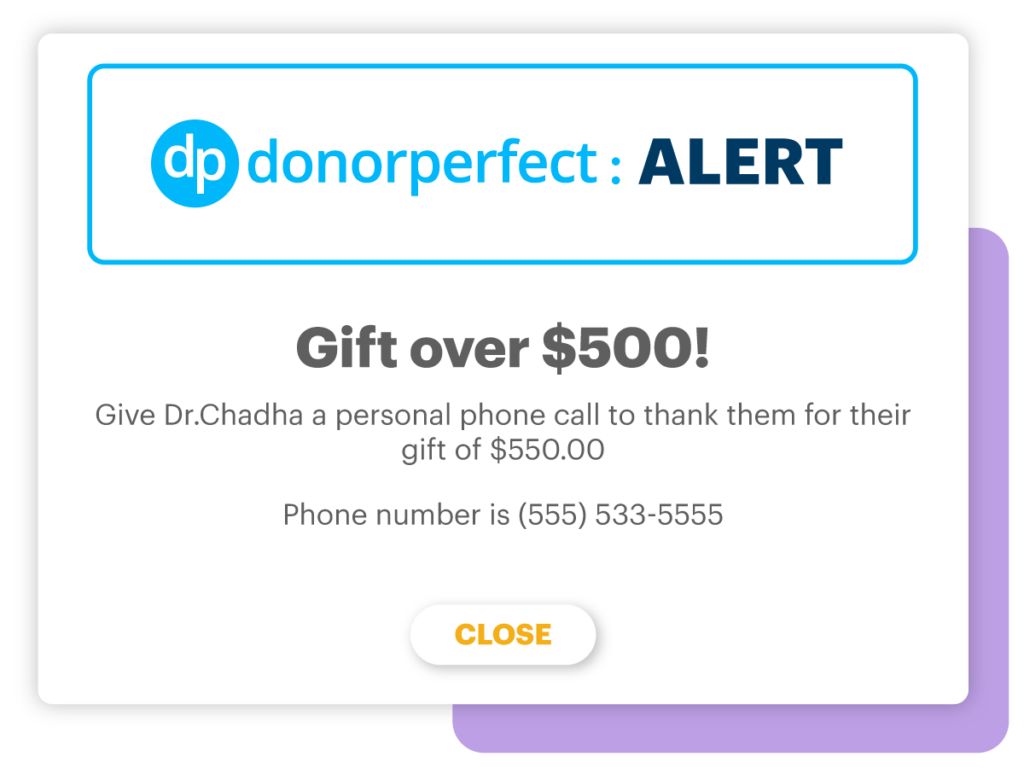
- Notify staff when personal outreach is appropriate
- Track engagement across multiple channels
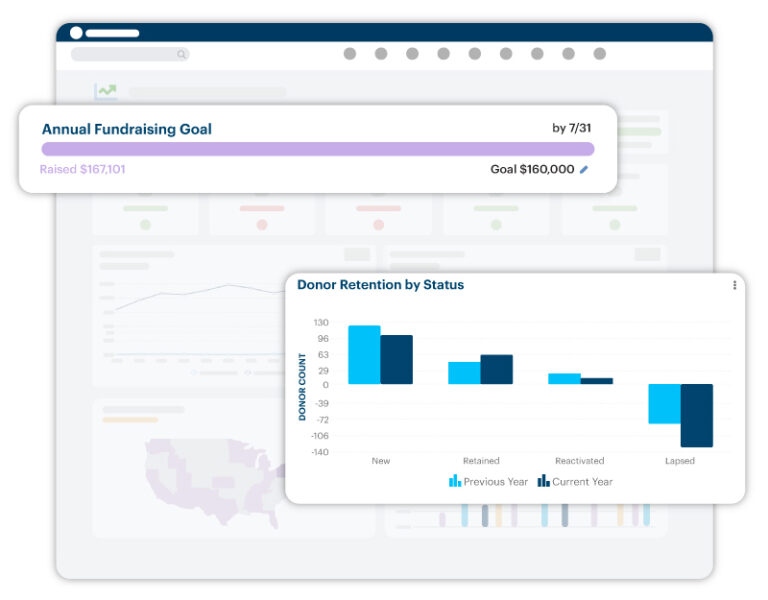
- Measure which donor segments have the strongest retention
Automation handles routine tasks like assigning donor sequences and sending timely follow-up emails, giving your staff more time for personal outreach when it matters most.
Put your donor segments to work in your email strategy.
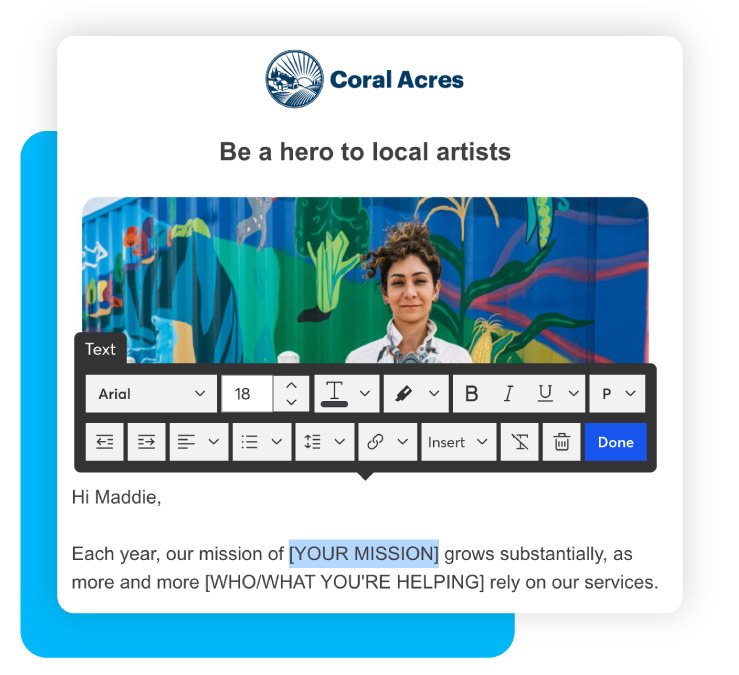
With Constant Contact built into DonorPerfect, you can use your donor data to send targeted email communications to specific groups and keep engagement information connected to your donor records.
Measure donor engagement across every donor segment
Email open rates provide useful insight, but they don’t tell the whole story. Reviewing retention, second gifts, volunteer participation, and monthly giving conversions helps you understand how each donor segment is responding over time.
Questions worth asking include:
- Which first-time donor groups are most likely to make a second gift?
- Which welcome strategies generate the highest engagement?
- Which segments convert to monthly giving?
- Which donors attend events or volunteer after giving?
- Where are donors dropping off?
These insights help you continually refine your segmentation strategy and improve the donor experience year after year.
Give new donors a warmer welcome.
Plan segmented welcome communications with customizable email templates that help you thank, educate, and engage new donors from day one.

Every first gift marks the beginning of a new relationship, or the expansion of an existing one. The conversations that follow help determine whether that supporter stays connected to your mission.
By recognizing those differences and organizing supporters into groups, you can write communications that feel timely, relevant, and personal—whether they’re delivered through email, direct mail, text, phone calls, or in-person conversations.
A welcome email series remains an important part of that experience, but it works best as one element of a broader donor stewardship strategy.
When donor segmentation guides your stewardship strategy, every first impression becomes an opportunity to build trust, strengthen relationships, and encourage lasting support.
Download your free kit
Plan more relevant welcome experiences for each donor segment